How to Start a Podcast Checklist: 7 Essentials for Beginners

Updated: Jan 26

Launching your first podcast can feel both exciting and overwhelming. With so many moving parts, equipment, planning, recording, and promotion, it’s easy to overlook key steps. That’s why having a structured guide like a ‘how to start a podcast checklist’ can make all the difference. Whether you want to build a community, grow your personal brand, or turn your voice into a business, starting strong ensures long-term success. This article breaks down the seven essentials every beginner should follow to start a podcast efficiently and confidently.
1. Know Your ‘Why’ Before You Begin Your How to Start a Podcast Checklist
Before you check off any item from your start a podcast checklist, take time to define your “why.” Ask yourself: What motivates you to start this podcast? Do you want to educate, entertain, or inspire? A clear sense of purpose serves as the foundation of your show’s theme and tone. Successful podcasts focus on a central idea or story that connects with a specific audience. For instance, a business coach might use podcasts to share client success stories, while a traveler may document unique cultural experiences. Once you know your goal, you can identify your niche and develop your content around it.
How to Define Your Podcast Niche
Your podcast niche determines the focus area of your show. Select a topic you’re both passionate about and knowledgeable in. Then refine it into a niche that’s not overly broad. For example, instead of just “fitness,” you might focus on “marathon training for beginners.” This approach keeps your content targeted and establishes authority faster. Combine your niche with a consistent tone and format, so listeners know what to expect from every episode.
2. Focus on Delivering Value to Your Audience
Every great podcast provides listeners with something valuable, whether that’s knowledge, entertainment, or meaningful stories. As you plan episodes, put yourself in your audience’s shoes. Why should they listen to your podcast? What will they gain from spending thirty minutes with you instead of another show? Audience value should be at the center of your podcast strategy and marketing efforts.
Creating Listener Personas
A smart step in the podcast production checklist is identifying your ideal listener. Develop a simple listener persona by describing who they are, what they enjoy, and what problems your podcast helps them solve. For example, if your show targets small business owners, your episodes could include practical marketing strategies and real-world success stories. Continuously evaluate feedback, adjust topics, and refine your delivery style according to audience needs.
Practical Ways to Add Value
Make sure each episode contains takeaways that inform or entertain listeners. Summarize insights at the end of every show and mention these highlights in episode descriptions. Engage your audience by asking for input or encouraging them to submit questions and topic ideas. Interactive podcasts tend to foster stronger communities and word-of-mouth promotion, which is vital for growth.
3. Set Up the Right Podcast Equipment
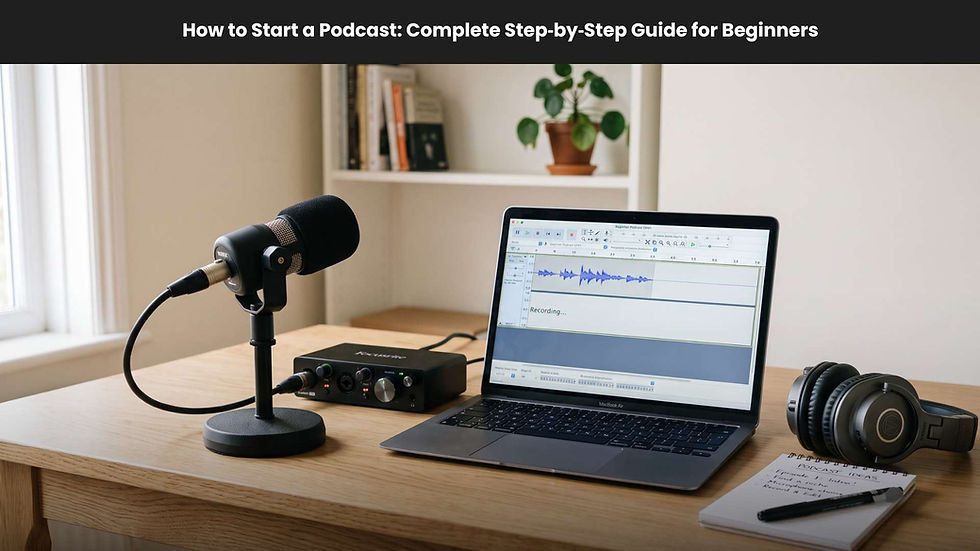
Great audio quality is the heart of any podcast. While you don’t need a professional studio, you must invest in reliable gear. The best podcast equipment for beginners includes a USB microphone, a pair of closed-back headphones, and recording software. A quiet room, proper microphone technique, and basic editing knowledge go a long way in producing professional-sounding episodes.
Recommended Podcast Setup Checklist
USB Microphone (e.g., Audio-Technica ATR2100x or Samson Q2U)
Headphones (Studio-quality, over-ear)
Pop filter or windscreen
Adjustable mic stand or arm
Podcast creation tools, such as Audacity or Adobe Audition, for editing
Backup storage for recorded files
You can even use free podcast recording platforms like Riverside or GarageBand to get started. Ensure your software lets you edit easily, level your voice, and export high-quality audio formats for uploading to your host.

4. Plan and Organize Every Episode
Behind every great podcast is a consistent structure. New creators often underestimate the importance of planning and organization. Your starting a podcast checklist should include scripting, editing, uploading, and promotional tasks. Developing a workflow avoids last-minute stress and prevents falling behind on publishing schedules.
Episode Production Workflow
1. Brainstorm topic ideas.
2. Research and create an outline.
3. Record the episode.
4. Edit, mix, and enhance audio.
5. Write show notes and episode descriptions.
6. Upload to your podcast hosting platform.
7. Share through social media and email marketing.
Batch production is an efficiency hack many professionals use record multiple episodes in a single session. This helps maintain consistency and gives you room to focus on marketing or audience engagement between releases.
5. Build Your Online Presence and Choose the Right Podcast Hosting
Even though podcasts are primarily an audio medium, visibility on the web is vital. Setting up a dedicated website makes your show easier to find and share. A site boosts SEO performance, creates a central hub for all your episodes, and allows you to integrate blog posts, sponsor pages, and listener feedback forms.
Choosing Your Podcast Hosting Platform
Do not host your audio files on your website; it can slow loading times. Instead, choose a dedicated podcast hosting provider that distributes your RSS feed to platforms like Spotify, Apple Podcasts, and Google Podcasts. Popular choices include Buzzsprout, Podbean, and Transistor.fm. Buzzsprout is particularly user-friendly and offers robust analytics. Hosting platforms also make it easy to track metrics so you understand your audience growth over time.
Why SEO Matters for Podcasters
Search engine optimization ensures new listeners discover you when they search topics related to your niche. Optimize your show title, episode titles, and descriptions with researched keywords, but always write for humans first. Include transcripts on your site to improve accessibility and allow Google to index your content. Adding metadata such as episode keywords and categories can also help your show rank better in podcast directories.
6. Prepare for Feedback—Good and Bad
As a public creator, you will receive feedback of all kinds. Some reviews will be supportive, while others may be harsh or irrelevant. Learning to handle criticism is part of the podcasting journey. Honest reviews often highlight areas you can improve, such as audio levels, pacing, or topic relevance. However, it’s important to separate constructive feedback from negativity.
How to Handle Negative Reviews
Focus on patterns rather than isolated comments.
Thank reviewers for helpful feedback when appropriate.
Avoid online arguments; professionalism strengthens your credibility.
Remember that even top podcasters face criticism.
Treat every review as engagement. The fact that people respond means your content is reaching them. Continue refining your work and keep your core mission in focus.
7. Understand Podcast Monetization and Long-Term Growth
Many beginners dream of earning money from their shows, but podcast monetization takes time, effort, and patience. Traditional sponsorship models depend on download count. Most advertisers pay based on CPM (cost per thousand listens). For small or new podcasts, this may not yield much initially.
If you’re planning to use your podcast as a growth or revenue channel, it’s worth studying how businesses approach this strategically, especially in B2B contexts and during the early planning phase, as outlined in B2B Podcasting: Cost-Effective Launch and Expansion in 2024 and Start and Plan a Podcast: Step-by-Step Guide for 2024.
How to Monetize a Podcast with a Small Audience
Seek niche sponsors that match your theme.
Use affiliate marketing to promote relevant products.
Offer exclusive content through memberships on Patreon or private feeds.
Sell your own digital products or services via your podcast website.
Instead of focusing exclusively on immediate income, consider the broader value. A podcast can strengthen your brand, attract leads, grow your email list, and open consulting or speaking opportunities. Consistency plays a crucial role here; publishing at least 20 episodes significantly increases longevity and visibility, according to experienced podcasters.
Promotion is Key to Podcast Success
Podcast promotion often takes five to eight times longer than recording. Share snippets, audiograms, and behind-the-scenes clips on social media. Collaborate with other podcasters for cross-promotion. Submitting your podcast to multiple directories expands reach. Combine this with targeted email campaigns and community interaction to keep listeners engaged.
Conclusion:
Starting a podcast is a creative and rewarding endeavor but it demands focus, planning, and endurance. Following this how to start a podcast checklist ensures you cover every crucial step, from defining your purpose to promoting your show. Keep your audience at the heart of your decisions, use simple but effective equipment, and don’t expect instant monetization. Instead, build consistency, engage with your listeners, and refine your craft over time. With persistence and a clear structure, you can transform your podcast idea into a long-lasting and impactful voice in your niche.