B2B Content Marketing Examples in 2024

Updated: Dec 18, 2023

I know how frustrating it can be to read articles that leave you with more questions than answers. That's why this article is all about providing clear, practical solutions.
I’m thrilled to see you've recognized the importance of B2B content marketing, putting you ahead of 60% of your competitors. This is a fantastic era for B2B enterprises, marked by relatively low competition and a wealth of growth opportunities.
Let's talk about the elephant in the room: What is B2B Content? Or, to put it better, what is content marketing in general?
B2B content:
Short for Business-to-Business content, is a strategic marketing approach focused on creating and distributing valuable, relevant, and consistent content to attract and retain a clearly defined audience — and, ultimately, to drive profitable customer action. Unlike traditional marketing, which often relies on direct sales tactics, content marketing builds a relationship with potential customers by providing them with information that is helpful, educational, or entertaining.
For instance, effective b2b marketing strategy examples show that through the use of targeted content, businesses can establish themselves as thought leaders in their industry. This strategy is especially vital in sectors like B2B SaaS, where the market is highly dynamic and competitive. In B2B SaaS marketing channels, content marketing helps in differentiating offerings, conveying complex solutions in an understandable way, and building trust with potential software users. By leveraging these channels, SaaS companies can effectively communicate their value proposition, demonstrating how their solutions address specific business challenges.
12 Innovative B2B Content Marketing Strategies with Examples:
If you ever questioned what kind of content to create for b2b content marketing, here I have listed different types of B2B content marketing with their examples. Click the arrow to read more about each.
For those considering the implementation of B2B Content Marketing, I encourage you to read this article on How to create a winning B2B content marketing strategy.
1. Podcasts:
Podcasting is a highly innovative and effective method in B2B content marketing. Its strength lies in creating deep, engaging conversations that feel authentic. Additionally, podcasts offer a smooth bridge to in-person interactions. I view podcasting as a contemporary, digital tool for interaction at events like trade shows and business gatherings.
Strategic Benefits of B2B Podcasting
High ROI Potential: From the begining of the time, successsful business was based on networking and connection. Today, no matter the advancement of technology, still the most successful are the ones who network. Now podcasting to me is the digital way of meeting new people, prospects and friends in trade shows, events and etc. B2B podcasting is great for building real, human connections. It's not just about sharing information, but also about getting to know each other better. Podcasting, especially video podcasting, harnesses these elements, and the people you talk to on your podcast can become your customers, hence the high ROI.
Time, Money, and Resource Efficiency: B2B content marketing can be quite time-consuming. The process begins with extensive research, followed by creating visually engaging content. It's crucial to find a 'hook' that makes the content interesting enough to stop people from scrolling past. Typically, this approach results in the creation of just one piece of content. Podcasting, however, offers a different advantage. With just one hour of interviewing, you can repurpose your episode into multiple pieces of content (usually between 10 to 15). These pieces are not only valuable but also engaging. You can transform them into SEO-optimized articles, social media clips, YouTube videos, audio podcasts, and more.
3. Ease of Access and Use:
Podcasts offer the convenience of on-the-go consumption, appealing to a busy, always-connected audience. They provide a platform for in-depth discussions and expert interviews, establishing your brand as a thought leader. The growing popularity of audio and video content opens doors to a large, diverse listener base, enhancing brand reach and loyalty. This intimate, versatile medium can effectively complement other marketing strategies, building a community and trust among your audience.
Example of turning one podcast episode into multiple pieces of content:
A Podcast turned into a Blog plus More blogs and then into engaging Social media clips and YouTube Video

Interested in Launching Your Own B2B Podcast? Here's How:
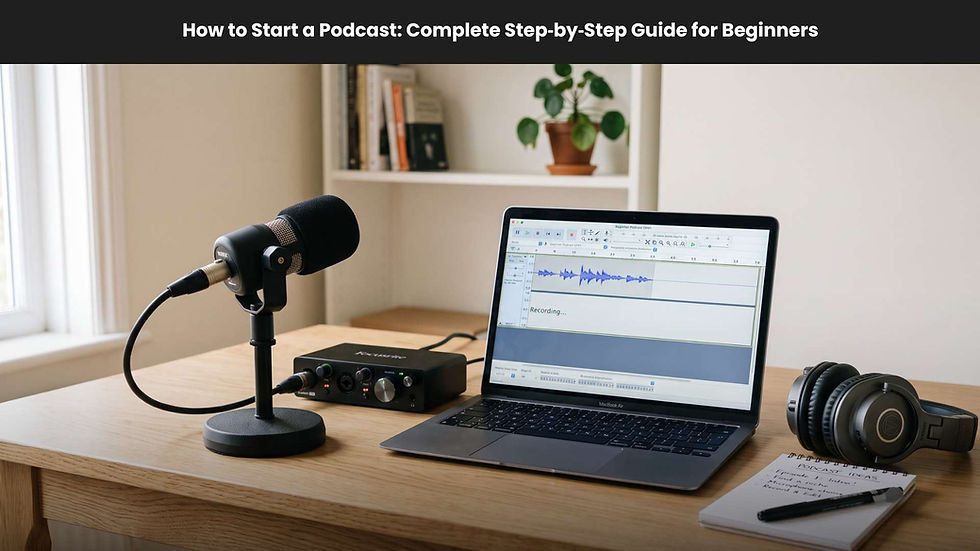
Start and Plan a Podcast: Step-by-Step Guide for 2024
Done-for-You Professional Podcasting Services
2. Case Studies:
B2B case studies are invaluable marketing tools, particularly in industries where purchasing decisions are complex and considered. These studies demonstrate real-world applications and outcomes of a company's products or services, providing potential customers with compelling evidence and insights. Here are some innovative examples that highlight the diversity and effectiveness of B2B case studies:
Kantar: Kantar created a video case study to explain its work with Samsung. This format brought complex concepts to life, telling an engaging story that a standard text-based case study might not have been able to convey as effectively.
Here is also how we used case studies for our company:

These examples show how B2B companies are stepping beyond the traditional format of case studies to create more dynamic, engaging, and visually appealing content.
3. Email Newsletters:
Are Newsletters Still Effective? Definitely!
The effectiveness of any tool really boils down to common sense and human interaction. If your newsletter educates, adds value, and reaches the right audience, why wouldn't it be effective?
In the B2B context, newsletters are particularly beneficial for several reasons:
Direct Communication: Newsletters allow businesses to communicate directly with their audience, bypassing the unpredictability of social media algorithms.
Content Ownership: Unlike social media platforms, where content and audience reach are controlled by the platform, newsletters give businesses ownership over their content and subscriber data.
Measurable Impact: They offer tangible metrics (like open rates and click-through rates), making it easier to measure engagement and the effectiveness of the content.
Long-Term Relationship Building: Regular newsletters help in nurturing long-term relationships with clients and prospects by consistently providing value and staying top of mind.
Here is an example:
HubSpot: Known for its expertise in email newsletters, HubSpot offers themed versions focusing on Marketing, Sales, Service, or Website. Each issue is rich with articles, webinars, reports, and resources, making it a comprehensive source of business improvement content. View the newsletter here.

Overall, newsletters are a strategic tool in B2B marketing for building and maintaining strong, direct, and measurable relationships with a business audience.
4. Storytelling:
Storytelling in B2B content marketing is an influential strategy that leverages narrative elements to create a deep, emotional connection with the audience, thereby distinguishing a brand from its competitors. This approach is particularly effective due to the inherent human affinity for stories, which have the power to foster emotional connections and inspire lasting shifts in perspective.
Impact of Storytelling in B2B Marketing:
Emotional Engagement: Storytelling in B2B marketing helps companies connect with their audience on an emotional level, driving decision-making in ways that mere facts and figures cannot.
Brand Value Communication: It allows for the communication of brand values and the creation of a lasting impression, moving beyond the product or service to weave in emotional elements that resonate with the customer base.
Subconscious Influence: A significant portion of purchase decision-making happens subconsciously, driven by emotions rather than logic. Storytelling taps into this emotional subconscious, effectively influencing B2B decision-making.
Examples of Effective Storytelling in B2B Marketing:
Asana: By sharing its origin story, Asana connects with its audience on a relatable level. The narrative focuses on reducing unnecessary meetings, a pain point familiar to many, thereby enhancing the brand's appeal.
Grammarly: Their storytelling revolves around improving communication. By positioning itself as a tool that enhances human connection and belonging, Grammarly extends its appeal beyond mere grammar correction to a deeper emotional level.
In essence, B2B storytelling is not just about narrating a company’s journey; it's about creating stories that are relatable, emotionally engaging, and have a clear takeaway. This strategy enhances the brand's connection with its audience, making the brand more memorable and influential in decision-making processes.
5. Thought Leadership Pieces:
Thought leadership in B2B marketing involves creating content that showcases a company's expertise and viewpoint, influencing trends or ideas in their industry. Here are some impactful examples:
L2's Scott Galloway on YouTube: L2, a business intelligence firm, leveraged YouTube for thought leadership. CEO Scott Galloway's "Winners & Losers" videos, often opinionated and evidence-backed, helped bring a near-cult status to L2's brand, demonstrating authenticity and insightful branding.

Pipedrive: This CRM software company uses its blog to publish articles that provide actionable advice for small businesses. Their content on sales industry trends and techniques demonstrates their thought leadership in CRM and sales process optimization. Check out their website.
Autodesk's Redshift: Autodesk uses Redshift to educate the market about 3D design and engineering. This content strategy helps to build Autodesk’s reputation as an innovator in a fast-growing new space. Check out their website.
Remember that podcasting is another key method for establishing authority and becoming a thought leader. This is because you regularly share your expertise and also invite guests who are experts in the show's topic. Over time, your podcast evolves into a go-to source of information for your followers, thereby reinforcing your position as a thought leader.
These examples illustrate the range and depth of thought leadership in B2B marketing, demonstrating how companies can influence industry trends and establish themselves as authoritative voices in their respective fields.
6. Forums and Community Boards:
Forums and community boards in B2B marketing offer a platform for discussion, interaction, and community building, fostering significant customer engagement and loyalty.
Creating a forum is accessible to everyone. It doesn't require elaborate efforts. Simple steps like starting a LinkedIn or Facebook page can suffice to share ideas, insights, and more.
Their impact and implementation in B2B marketing strategies can be understood through the following aspects:
Building Community and Loyalty: Humans are inherently social, gravitating towards communal experiences. Online community platforms in B2B contexts offer spaces for shared ideas and communication. People rallying around common interests in these forums can innovate and generate powerful loyalty, especially important in industries where in-person interaction is limited.
Building Own Online Community: For some B2B businesses, creating a branded online community for prospects and customers can demonstrate thought leadership and involvement. This requires a high level of commitment and active moderation but can evolve into a valuable resource with gated or monetized content, brand leadership, and fresh ideas influenced by the audience.
1-on-1 Research: B2B forums allow marketers to observe how conversations develop, sparking ideas for content, customer service, or new products.
Inspired Content: User-generated content within these forums highlights real-life B2B customer needs, enhancing authenticity in marketing efforts.
Influencer Connections: Emerging voices in online communities can be valuable prospects for direct communication and influencer marketing strategies.
Examples:
LinkedIn Pages: As mentioned above, creating a forum shouldn't be complicated. Creating a forum is accessible to everyone. It doesn't require elaborate efforts. Simple steps like starting a LinkedIn or Facebook page can suffice to share ideas, insights, and more.

Exit Five: Exit Five is a group for people who work in B2B marketing. It's led by Dave Gerhardt, a well-known expert in B2B marketing. In this group, you'll find lots of useful tips, questions, and advice from other members. Sometimes there's a lot going on, but everyone is helpful and shares the latest successful B2B marketing strategies.

PEAK Community: This is one of the top communities for marketers. Here, lots of top-notch marketers exchange really great strategies and support each other in growing to become top leaders like CMOs and CEOs.

In summary, forums and community boards in B2B marketing serve as crucial platforms for fostering community, enhancing customer engagement, driving content creation, and developing influencer relationships, all contributing to a more robust and effective B2B marketing strategy.
7. Virtual Reality (VR) and Augmented Reality (AR)
Virtual Reality (VR) and Augmented Reality (AR) have emerged as dynamic tools in B2B marketing, providing immersive and interactive experiences that enhance engagement and understanding of products and services:
1. Cisco's Virtual Trade Show: Cisco used VR to create a virtual trade show, allowing clients to explore a digital exhibition hall from their homes or offices. This approach not only saved time and money but also enabled more personalized interactions with products and representatives, enhancing networking and learning opportunities without physical attendance constraints.

Explore more: Cisco
2. Lowe’s - Lowe's introduced the Holoroom, a virtual environment where customers can learn new DIY skills and visualize home improvement projects. This use of VR in a retail setting allowed customers to engage in a more interactive and informed shopping experience

Explore more: Lowe’s
These examples demonstrate how VR and AR technologies are reshaping B2B marketing strategies, offering immersive experiences that go beyond traditional marketing methods. By leveraging these technologies, businesses can overcome geographical limitations, reduce costs, and provide potential customers with more engaging and informative experiences.
8. Checklists and Cheat Sheets:
Consider creating a checklist or cheat sheet that your potential clients can immediately implement and use. In exchange, collect their names and email addresses. Checklists and cheat sheets are highly effective in B2B marketing, providing numerous benefits:
Utility and Practicality: These tools provide immediate value by offering concise, actionable information. This practical utility is highly appreciated in the B2B space where time is often a constraint.
Brand Positioning as an Expert: By providing checklists and cheat sheets, a company positions itself as an expert in its field. These resources demonstrate a deep understanding of the industry and its challenges.
Lead Generation: They are excellent for lead generation. Businesses often offer these resources in exchange for contact information, building their email lists and nurturing leads.
High Shareability: Due to their practical nature, these tools are often shared within professional circles, increasing brand visibility and credibility.
Supporting Sales Process: They can be used as part of the sales process to help potential customers understand complex processes or to make informed decisions.
Examples:
Hootsuite: Their content, often in the form of articles, templates, and statistics, provides valuable tips and insights for social media managers and in return they ask for your contact information for later offers and etc. Here is a link to their IG followers checklist.

In summary, checklists and cheat sheets are valuable assets in B2B content marketing, offering practical solutions, establishing industry authority, aiding in lead generation, and enhancing shareability.
9. User-Generated Content:
What is User-generated content (UGC)? UGC is any form of content, such as images, videos, text, or audio, that has been posted by users on online platforms, especially social media.
It is a powerful way for brands to engage with their audience, as it leverages content created by customers themselves. Here are a few examples of companies effectively using UGC:
GoPro: GoPro encourages its customers to share videos and images captured with its cameras. The brand often features this content on its social media channels and marketing campaigns. Here is an example on their Instagram page.

Starbucks: Starbucks' "White Cup Contest" invited customers to decorate their Starbucks cups and share images on social media. Winning designs were used in limited-edition Starbucks merchandise. Learn more about the results in this article.

User-generated content (UGC) holds a significant place in B2B content marketing for several reasons:
Authenticity and Trust: UGC, such as customer testimonials, case studies, and user reviews, provides authentic insights into a product or service. This authenticity builds trust with potential customers.
Enhanced Credibility: Seeing real feedback from other businesses adds credibility to a company’s offerings. It demonstrates that the company’s products or services have been successfully implemented and valued by others.
Community Building: UGC encourages a sense of community among users. Sharing user experiences and stories can foster a sense of belonging and loyalty to the brand.
Content Diversity: UGC adds variety to a company’s content mix. It brings in different perspectives and experiences, enriching the company’s content strategy.
Cost-Effective: Since it's created by users, UGC can be a cost-effective content strategy. It leverages the content that customers are already creating.
Increased Engagement: UGC often leads to higher engagement rates. Potential customers are more likely to engage with content that they perceive as genuine and representative of real user experiences.
SEO Benefits: UGC can enhance SEO efforts. Reviews and testimonials can contribute to fresh, regularly updated content, which is favorable for search engine rankings.
In summary, UGC in B2B marketing enhances authenticity, credibility, and engagement, providing cost-effective content that enriches a brand’s narrative and strengthens its community.
10. Social Media Content:
Social media content plays a crucial role in B2B content marketing, offering multiple benefits:
Increased Brand Visibility: Regular posting on social media platforms enhances brand exposure and reach. It's an effective way to maintain visibility in your audience's daily digital interactions.
Direct Engagement with Audience: Social media allows for direct and real-time interaction with your audience, fostering a closer relationship. Engaging with comments, messages, and posts can build a sense of community and trust.
Thought Leadership and Authority: Sharing insightful content, industry news, and expert opinions on social media can establish a company as a thought leader in its field.
Targeted Marketing: Social media platforms offer advanced targeting options for paid promotions, allowing businesses to reach specific segments of their audience effectively.
Content Variety: Social media supports various content formats, including videos, infographics, blog posts, and live streams, catering to diverse audience preferences.
Measurable Results: The impact of social media content is measurable through analytics provided by the platforms, enabling companies to track engagement, reach, and conversion metrics.
Cost-Effectiveness: While paid advertising is an option, organic social media content is relatively cost-effective, making it accessible for businesses of all sizes.
SEO Benefits: Active social media presence can indirectly boost SEO efforts. While social signals are not a direct ranking factor, the traffic and visibility gained from social media can positively impact search rankings.
Example: Mailchimp's social media platforms.

Check out their Instagram page.
In summary, social media content is a versatile and effective tool in B2B marketing for increasing brand visibility, engaging with audiences, establishing thought leadership, and measuring the impact of marketing efforts.
11. Webinars:
Webinars have become a staple in B2B content marketing due to their numerous benefits:
Lead Generation and Nurturing: Webinars are effective for generating and nurturing leads. By offering valuable information on specific topics, companies can attract potential customers who are interested in their area of expertise.
Establishing Thought Leadership: Hosting webinars on industry-relevant topics helps establish a company as a thought leader and expert in its field. This enhances the company's credibility and reputation.
Engagement and Interaction: Webinars offer a platform for real-time interaction with the audience. This engagement includes Q&A sessions, polls, and discussions, providing a more dynamic and engaging experience than passive content forms.
Content Longevity and Repurposing: The content of webinars can be repurposed into other formats, such as blog posts, podcasts, or short videos. Recorded webinars can also be accessed long after the live event, extending their lifespan and reach.
Cost-Effective: Compared to in-person events, webinars are relatively low-cost, requiring less logistical planning and no physical venue.
Global Reach: Webinars can be attended by a global audience, breaking geographical barriers and significantly expanding reach.
Measurable Results: The impact of webinars can be measured through various metrics like registration numbers, attendee engagement, and follow-up conversions. This data is valuable for refining future marketing strategies.
Personal Connection: Webinars allow presenters to connect personally with attendees, adding a human element to digital marketing efforts.
Example:

Here are their webinars.
12. Videos:
Includes everything from short social media clips to long-form content on platforms like YouTube. Videos can be educational, entertaining, or promotional.
Videos have become an indispensable tool in B2B content marketing for numerous reasons:
Enhanced Engagement: Videos are inherently engaging, often more so than text-based content. They can capture the audience's attention quickly and effectively convey a message.
Versatility in Content Delivery: Videos can be used to explain complex products or concepts, share customer testimonials, provide how-to guides, and showcase company culture or behind-the-scenes insights.
Increased Retention Rates: The combination of visual and auditory elements in videos tends to lead to higher information retention rates among viewers.
Boosting SEO: Videos can improve SEO as search engines often prioritize content that increases user engagement. Including videos on websites can also increase the time visitors spend on the site, which is a positive SEO signal.
Social Media Friendly: Videos are highly shareable on social media platforms, increasing the potential for viral marketing campaigns.
Enhancing Email Marketing: Including videos in email campaigns can increase open rates and engagement.
Improved Conversion Rates: Videos can effectively demonstrate a product's benefits or a service's impact, leading to improved conversion rates.
Personalization and Humanization: Videos allow businesses to add a personal touch, humanizing their brand and fostering a deeper connection with the audience.
Example: Salesforce

In summary, videos in B2B marketing offer enhanced engagement, versatile content delivery, increased retention rates, SEO benefits, social media shareability, improved email marketing effectiveness, higher conversion rates, and an opportunity to personalize and humanize the brand.
Conclusion
In conclusion, various B2B content marketing strategies offer unique opportunities for businesses to effectively engage with their audience. Try these strategies one by one, especially if you don't have the resources or the team to do it for you. Give each one a month to see the results. No matter which strategy you choose at first, make sure you can repurpose it. This saves time and helps you produce high-quality content in large quantities.
If you find this helpful, please share it with someone you know. We don't run ads or disrupt your reading. We just added a small note at the end for those who might benefit from our services.
We specialize in launching and scaling highly successful B2B podcasts that not only establish your brand but also drive profitability. If you are interested, feel free to check out our website.

Connect with Sam Hajighasem for more content on LinkedIn.