Video Podcast SEO Tips from 5 Top Creators [Bonus Guide]
- Sam Hajighasem

- Jan 21
- 6 min read
Updated: Jan 26

Creating a successful video podcast in 2026 is no longer reserved for established names. With the right strategy, engaging content, and solid SEO optimization, anyone can launch a show that captures attention across YouTube, Spotify, or even emerging video podcast networks. In this comprehensive how-to guide, you’ll learn video podcast SEO tips inspired by five top creators: H3 Podcast, The Nathan Barry Show, Joe Rogan Experience, Trash Taste, and True Geordie. You’ll uncover how they craft compelling video podcasts, build loyal audiences, and rank higher on search results. Whether you’re new to podcasting or transitioning from audio-only to video podcasting, these insights will help you stand out in a crowded digital landscape.
What Is a Video Podcast and Why It Matters for SEO
A video podcast (also known as a vodcast or podcasting with video) combines traditional podcast-style audio with visual elements such as live interviews, studio footage, or even static images. Unlike audio-only podcasts, video podcasts allow creators to reach a much broader audience across platforms like YouTube and Spotify. The visual component not only improves engagement but also supports stronger SEO performance. Platforms such as YouTube prioritize long-form, high-retention videos, making video podcasting a smart choice for visibility.
Here’s why video podcast SEO is so powerful:
Enhanced discoverability: Videos appear across Google search, YouTube, and even Google Podcasts listings.
Increased audience retention: Viewers engage longer due to facial expressions, visuals, and interactive media.
Content repurposing potential: One recording session can produce blog posts, highlight reels, and short-form content for social media.
Step 1: Build a Content Calendar That Powers Your Video Podcast
One of the secrets behind successful creators is planning. A consistent content calendar ensures your audience knows when to expect new episodes and helps you maintain momentum.
Example from H3 Podcast
The H3 Podcast, hosted by Ethan and Hila Klein, has perfected the use of content scheduling. They organize content into distinct series like “H3 Podcast,” “After Dark,” and “Frenemies.” This structure communicates variety and consistency simultaneously. Their audience knows what to expect weekly, which drives repeat engagement and video watch time.
To create your own content calendar, follow these steps:
1. Define your publishing frequency (e.g., once or twice a week).
2. Categorize your episodes by theme: interviews, news breakdowns, Q&A sessions, or storytelling.
3. Align your recording and editing schedule with clear deadlines.
4. Use a tool like Notion, Airtable, or Trello to visualize your upcoming topics.
Combining a structured content calendar with keyword research ensures your episodes deliver consistent and searchable value. For example, episodes that include trending keywords like “how to start a video podcast” or “podcast SEO best practices” can attract discoverability through both YouTube and Google.
Step 2: Develop a Clear Audience Persona
Every great podcast resonates because it speaks directly to a defined audience. Understanding your audience persona helps you tailor topics, tone, and promotion.
Creating Your Ideal Listener Profile
Start with basic demographic details such as age, interests, and viewing habits. Use YouTube analytics to see what type of content attracts viewers and adjust accordingly. For example, if your viewers are primarily professionals aged 25–35 who watch tech and business content, align your topics with productivity, entrepreneurship, and digital trends.
The Trash Taste podcast showcases the power of knowing your audience. Their core fans are young adults interested in Japanese pop culture, gaming, and humor. Their marketing partnerships with brands like VPNs and food delivery apps reflect this audience insight.
Tools to Understand Your Podcast Audience
Conduct YouTube polls to gather viewer preferences.
Analyze comment sections for recurring topics and viewer sentiment.
Use free tools like Google Trends or TubeBuddy to identify keyword opportunities.
Crafting content that resonates with your core audience ensures loyalty and repeat viewership while improving your podcast’s organic performance.

Step 3: Drive Engagement Through Proven Video Podcast Techniques
A video podcast is more than just an uploaded conversation it’s about how you hold attention. Top creators use storytelling arcs, pacing, and audio-visual quality to keep viewers watching.
Lessons from The Nathan Barry Show
Nathan Barry keeps his episodes engaging by front-loading value. He often begins episodes with a teaser clip that reveals the main theme before transitioning into an introduction. This keeps viewers curious and increases watch retention, which is a major ranking factor for YouTube SEO.
Here are the best practices for viewer engagement:
Keep intros short but impactful (under 20 seconds).
Include “hooks” at the start and middle of each episode.
Use HD video and clear audio software like Riverside or OBS Studio ensures professional quality.
Maintain a conversational tone rather than a scripted delivery.
Add timestamps or chapters in YouTube descriptions to improve accessibility and SEO.
Remember, audience engagement signals, likes, comments, and shares directly influence how YouTube’s algorithm ranks your content.
Step 4: Optimize Your Video Podcast for SEO and Discoverability
Podcast SEO goes beyond using keywords. It’s about structuring everything from titles to thumbnails for maximum visibility. Search engines use your metadata, engagement signals, and video transcripts to determine relevance.
If your video podcast supports a business or brand, aligning SEO with conversion-focused content is critical, which is why many creators pair these tactics with a clear B2B podcast strategy like the one outlined in B2B Podcast Strategy: How to Create Content That Converts.
Crafting Optimized Titles and Descriptions
Keep your titles clear and keyword-rich. For example, instead of “Episode 10: Growth Tips,” use “How to Grow Your Video Podcast Fast with YouTube SEO Tips.” Incorporate keywords like “video podcast,” “podcast SEO,” and “Spotify video podcast” naturally.
Write descriptions with at least 200 words. Include:
A summary of the episode.
Keywords mentioned conversationally.
Links to your website, social media, or sponsor.
True Geordie demonstrates this perfectly by linking out to sponsors and social channels underneath each episode. This drives organic traffic beyond YouTube and helps boost authority across multiple domains.
Eye-Catching YouTube Thumbnails
Your thumbnail is your first impression. Using high-contrast visuals, consistent color schemes, and human faces significantly increases click-through rates. True Geordie maintains a uniform thumbnail style, same template, similar layout, and clear faces, which strengthens his brand identity.
Encourage User-Generated Content and Community Participation
Search algorithms favor engagement. Encourage fans to create short clips, memes, or discussions around your podcast. The H3 Podcast community thrives on fan edits, reaction videos, and clips, which multiply reach and signal to algorithms that your show is buzzworthy.
Step 5: Streamline Repurposing for Greater Reach
Content repurposing is the key to expanding visibility. Once an episode is published, your work isn’t done, it’s just beginning.
How Successful Creators Repurpose Content
Joe Rogan and H3 Podcast run secondary YouTube channels specifically for highlights. These shorter clips target new audiences who may not commit to full episodes. In addition, these clips dominate YouTube’s suggested videos feature prime real estate for growth.
Practical Repurposing Methods for Your Brand
Turn insightful podcast moments into TikTok reels or YouTube Shorts.
Transcribe your video content into blog posts for SEO enrichment.
Use AI-powered editing tools like Riverside’s Magic Clips to instantly generate short video segments.
Post highlights on platforms like Reddit or LinkedIn to attract niche communities.
By posting across multiple formats, you create an interconnected content ecosystem. Each snippet introduces new viewers to your main channel, boosting watch time and brand exposure.
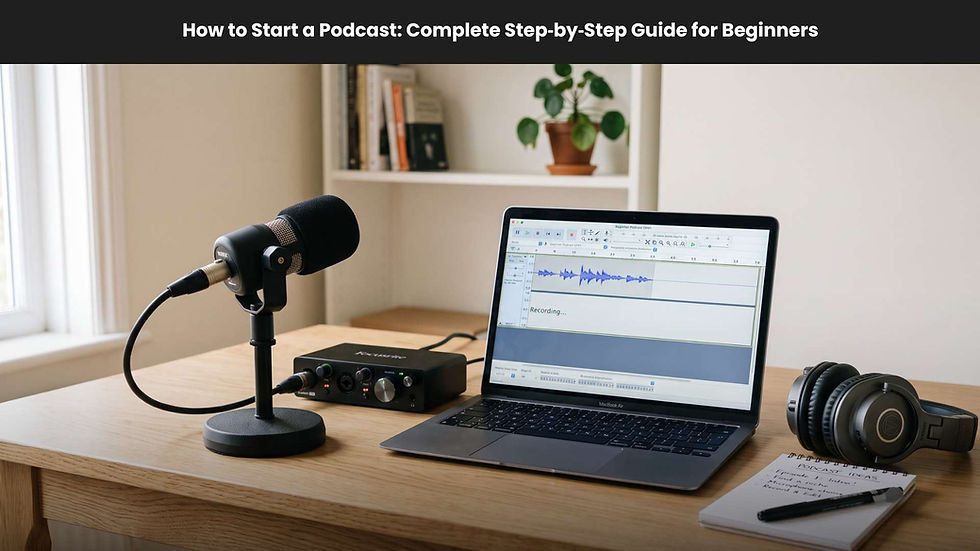
Step 6: Choose the Best Equipment and Software for Video Podcasting
Quality production enhances professionalism and viewer satisfaction. The fundamentals remain simple but crucial.
Essential Podcast Equipment Checklist
Microphone: Samson Q2U or Shure MV7 for clear sound.
Camera: A 1080p webcam or DSLR for sharp visuals.
Lighting: Ring light or softbox to eliminate shadows.
Record podcast software: OBS Studio, Riverside FM, or Adobe Premiere Pro for editing.
Strong visuals and crisp audio are non-negotiable. Excellent production not only improves viewer retention but also supports SEO by signaling professionalism and relevance.
Step 7: Publish, Promote, and Measure Results
Your SEO strategy is only complete when combined with consistent promotion and analytics tracking.
Where to Publish Your Video Podcast
Upload directly to YouTube, Spotify, and Apple Podcasts (via RSS feeds that support video). Each platform offers unique reach potential. YouTube leads in discoverability, while Spotify provides exposure to mobile listeners.
How to Promote a New Video Podcast
Announce episodes on social media with short teaser clips.
Collaborate with guests who share your niche.
Engage on podcasting forums and communities to share insights and build awareness.
Use keywords strategically in hashtags and video titles.
Measure success using key analytics:
View duration and click-through rates (CTR) on YouTube.
Keyword ranking performance in search queries.
Engagement metrics such as comments and shares.
Conclusion:
Launching and growing a video podcast requires planning, creativity, and a keen understanding of SEO fundamentals. By following the same strategies that leading creators use, from building a strong content calendar to optimizing thumbnails and repurposing video segments, you can dramatically enhance visibility, attract engaged viewers, and rank on search engines. Each of these video podcast SEO tips is designed to help you grow with purpose and sustainability. With tools like Riverside FM and proper SEO implementation, your video podcast can evolve from a small passion project into a global platform of influence.