YouTube Podcast: How to Start and Grow Your Show in 2026


Starting a YouTube podcast in 2026 has become one of the smartest moves for creators and brands looking to expand their reach and build loyal audiences. With YouTube emerging as the world’s top discovery platform for podcasts, combining audio and video formats is no longer optional—it's essential. The platform’s integration of podcast tools, advanced analytics, and monetization options has made it easier than ever to grow your show. In this guide, you’ll learn how to start, optimize, and scale your YouTube podcast for maximum visibility and engagement.
What Is a YouTube Podcast?
A YouTube podcast is a playlist of videos structured as episodes of a show. Each episode can be a full-length video recording, an audio upload with cover art, or a stylized video featuring waveform animation. Since Google Podcasts merged into YouTube in 2024, the platform has become the primary home for podcast discovery. By 2026, YouTube commands over 34% of the global podcast discovery market and continues to expand through YouTube Music.
How YouTube Podcasts Work
Inside YouTube Studio, creators can designate a playlist as a podcast. This unlocks special visibility through the YouTube Music app and podcast-specific algorithms that prioritize watch time and engagement rather than only click-through rate. YouTube’s algorithm also promotes long-form sessions linked from Shorts and recommends clips from podcasts in user feeds, creating an ongoing loop of discovery.
Why YouTube Leads Podcast Discovery in 2026
Research from Signal Hill Insights shows 84% of Gen Z discover new podcasts on YouTube before switching to audio-first platforms like Spotify or Apple Podcasts. This means YouTube has evolved into the top of the creator funnel, where podcasts gain visibility before growing loyal listening audiences elsewhere. For creators, integrating YouTube into their podcast strategy is now a requirement for long-term success.
How to Start a YouTube Podcast in 2026
Launching your YouTube podcast requires more than simply uploading files. Here’s how to build a professional, discoverable, and engaging podcast channel on YouTube.
Step 1 – Set Up Your Channel for Podcasting
If you don’t already have a YouTube Channel, start by creating one that reflects your podcast brand. Use your podcast’s name, logo, and banner to maintain consistent branding. Inside YouTube Studio, select “Create a Playlist” and label it as a podcast. Add a detailed show description with your focus keywords such as “YouTube podcast” and “podcasting video” to strengthen SEO.
Step 2 – Plan Your Video Podcast Format
Decide whether your show will be fully video-based or audio-only with supporting visuals. In 2026, static-image uploads perform poorly, retaining less than 10% of viewers so consider recording with a camera or adding dynamic visuals. Many creators now use AI tools to generate motion graphics or animated overlays for audio files, boosting watch time 16× compared to static covers.
Step 3 – Invest in the Right Equipment
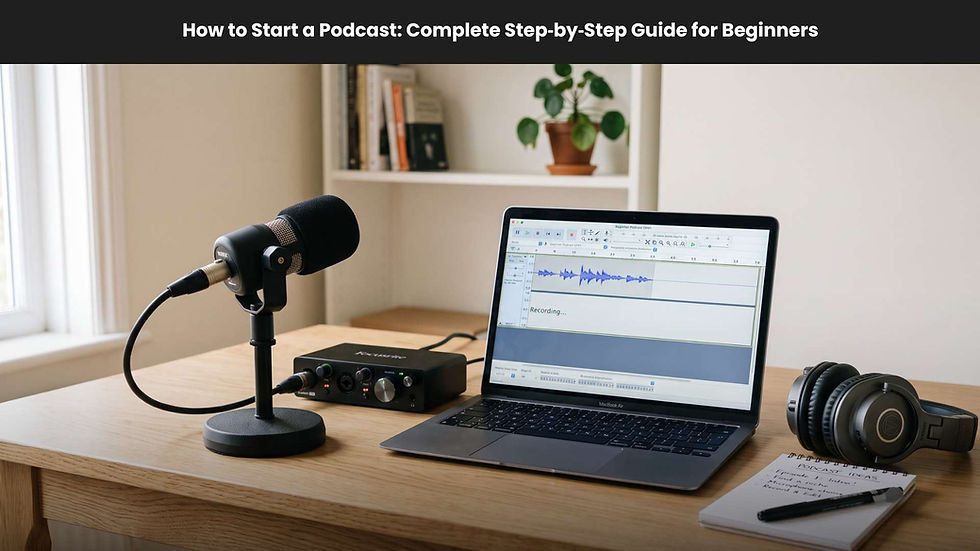
Quality matters more than ever for video podcasting. Choose a high-definition camera, crisp microphone, and proper lighting setup. Tools such as the Elgato Wave microphone and Sony ZV series cameras have become popular among creators for balancing cost and quality. Using affordable software like Riverside, StreamYard, or OBS allows multi-camera recording and live streaming at once.
Step 4 – Record and Edit Professionally
Even for conversational shows, aim for clean, high-quality production. Remove background noise, balance audio levels, and edit out long pauses. YouTube’s Studio now supports AI-powered auto-dubbing in 27 languages, automatic captions, and A/B thumbnail testing. Apply these tools to enhance accessibility and global reach. To maximize discoverability, keep your titles concise and keyword-focused—e.g., “How to Start a Podcast on YouTube: Beginner Tips.”
Step 5 – Upload and Optimize for SEO
When uploading, include a descriptive title, detailed show notes, and clickable timestamps for easy navigation. Add tags such as “YouTube podcasts,” “video podcasting,” and “content creation.” Create an engaging thumbnail and select “This playlist is a podcast” in the settings. YouTube’s SEO algorithm rewards clarity, relevancy, and engagement metrics—particularly watch time and returning viewers.
How to Grow a YouTube Podcast Audience
After launching, focus on discoverability and audience retention. YouTube’s creator economy thrives on sustained viewer engagement and community participation.
Leverage YouTube Shorts for Discovery
YouTube Shorts are driving significant podcast exposure. Use 30–60 second highlights to preview key podcast moments. Link each Short directly to the full episode to capture immediate interest. This strategy aligns with YouTube’s 2026 search algorithm, which emphasizes retention duration and Shorts-to-long-form conversion.
Publish Consistently and Use Playlists Strategically
Consistency keeps your show visible in YouTube’s ranking system. Upload a new episode at the same time every week or biweekly. Group related topics into playlists for structured viewing. For example, if your podcast covers marketing trends, separate playlists like “Content Strategy Episodes” or “AI in Podcasting” improve both watch time and keyword indexing.
Repurpose Your Audio Across Platforms
Multi-platform publishing ensures your show reaches all potential listeners. Export the podcast’s audio as MP3 and distribute it through RSS feeds to Spotify, Apple Podcasts, or other networks. Include links to your YouTube channel in the descriptions of all platforms to funnel traffic back for visual engagement.
Build a Community Using YouTube Features
Engagement signals (comments, likes, shares) play a crucial role in channel growth. Use the Community tab to post polls, updates, and exclusive behind-the-scenes clips. Go live to connect with fans in real time and use Super Chat for monetization. Encourage viewers to leave questions you can answer in upcoming episodes, turning audience input into recurring show content.

YouTube Podcast Monetization Strategies
Turning a YouTube podcast into a steady income stream is now easier than ever due to YouTube’s integrated monetization framework.
Ad Revenue and Sponsorships
Once you meet the YouTube Partner Program requirements, your podcasts are eligible for ad revenue. Podcast videos often feature midroll ads or dynamic visual placements, similar to traditional YouTube videos. However, creators should note that YouTube takes a 45% revenue share, so diversifying income through sponsorships and affiliate marketing is essential.
Direct Support and Memberships
Use YouTube Channel Memberships or Patreon integrations to allow fans to support your show directly. Offer exclusive bonus episodes, behind-the-scenes footage, or member-only Q&A sessions. These incentives not only provide revenue but also deepen fan loyalty.
Branded Content and Affiliate Collaborations
Podcast hosts in 2026 are leaning into brand storytelling instead of generic host-read ads. Product integrations, affiliate links, and co-branded video bonuses help increase conversion without interrupting the viewing experience. Always disclose partnerships clearly to maintain transparency and trust.
AI Tools for Efficient Podcast Production
AI is reshaping how creators produce and market shows. Tools like Descript, OpusClip, and Runway enable automatic editing, captioning, and clip generation. Auto-dubbing extends international reach, and AI-assisted thumbnail design improves CTR. In 2026, integrating AI productivity tools has become a competitive necessity, not a luxury.
Common Mistakes to Avoid When Starting a YouTube Podcast
While YouTube podcasting offers immense potential, several pitfalls can slow creator growth.
Relying on Static Visuals
Creators who simply upload an audio track with a still image lose nearly all engagement within the first 90 seconds. Use motion graphics, camera feeds, or dynamic visuals to maintain attention and improve retention.
Ignoring Analytics
YouTube Studio provides advanced performance insights. Focus on watch time, average view duration, and percentage viewed. Low retention rates often indicate pacing problems or lack of visual variation. Use A/B thumbnails and title testing to identify what resonates best with your audience.
Treating YouTube as an Audio-Only Platform
Even if your podcast’s strength lies in conversation, your audience expects a visual element. A camera feed, branded layout, or dynamic animation helps differentiate your show. YouTube prioritizes high-engagement episodes with visual depth over static content.
Future Trends in YouTube Podcasting 2026
The creator economy continues evolving, driven by technological innovation and consumer behavior shifts.
Rise of Hybrid Podcasting Formats
Reports indicate 80% of podcast listeners now watch at least one video podcast each month. The hybrid model has become the industry default, with most new podcasts including some form of video integration.
Global Expansion Through Auto-Dubbing
YouTube’s language localization features allow creators to reach audiences in 27 languages without re-recording. Automatic dubbing with expressive speech and lip-syncing brings global reach within easy reach of independent creators.
AI-Assisted Monetization and Performance
New AI-enabled ad systems in YouTube Studio match brands to content contextually, creating smarter sponsorships. With enhanced analytics dashboards, creators can now optimize revenue flow in real time.
Multi-Platform Publishing Becomes the Standard
In 2026, no serious creator relies on a single platform. Industry leaders treat YouTube as the discovery front-end while maintaining RSS feeds and exclusive audio releases elsewhere. This hybrid distribution strategy maximizes reach, listener retention, and monetization flexibility.
Conclusion
Launching a YouTube podcast in 2026 combines the power of visual storytelling with the loyalty of long-form audio. By planning your show strategically, optimizing for YouTube’s evolving algorithms, and embracing AI-driven efficiencies, you can build a sustainable and globally scalable podcast presence. Whether you’re a brand, educator, or independent creator, the YouTube podcast format offers unmatched discoverability and engagement. Treat YouTube as your show’s growth engine, repurpose across platforms for audience expansion, and you’ll be well-positioned for success in the ever-evolving creator economy.