YouTube Podcast Guide 2026: How to Start and Grow Your Channel


The way people consume podcasts is changing fast, and 2026 marks a major turning point. With Google Podcasts officially shut down, YouTube has become the new home for podcasting. This shift has opened massive opportunities for creators who want to grow their visibility, income, and authority online. Starting a YouTube podcast today isn’t just about sharing audio; it’s about using the world’s largest video platform to reach new audiences and build lasting trust.
In this complete guide, we’ll explain how to start a YouTube podcast from scratch, optimize it for discoverability, and scale it into a thriving channel. Whether you’re a brand, business owner, or independent creator, you’ll learn how to position your show for maximum growth in the evolving digital landscape.
What Is a YouTube Podcast?
A YouTube podcast is a playlist that houses episodes of a show in video or audio format. Each episode is published as a video, which might include a full recording session, static artwork, or visual elements that bring the conversation to life. Unlike traditional podcast apps that only host audio, YouTube offers multi-format flexibility, enabling creators to combine video, sound, and community features.
By integrating both audio and video, creators enjoy the best of both worlds. Podcast episodes become discoverable through YouTube search, recommended videos, and Shorts, tools that podcast-only platforms simply can’t match. This makes starting a YouTube podcast in 2026 a major advantage for creators focused on visibility and engagement.
How to Start a YouTube Podcast in 2026
Launching your podcast on YouTube isn’t complicated, but success requires a plan. Follow these key steps to create and grow your channel effectively.
1. Define Your Niche and Content Strategy
Before hitting record, get clear on your audience and goals. Ask yourself what topics you’re passionate about and what your audience is already searching for. The most successful YouTube podcasts blend subject expertise with storytelling. For example, a marketing professional might discuss brand growth tactics, while a fitness creator could share nutrition insights. Define your niche, then outline a content strategy that mixes evergreen topics with trending discussions.
Your goal is to produce episodes that deliver real value. Focus on quality information, consistent cadence, and a clear purpose for every episode. This not only fuels audience trust but also supports long-term authority building.
2. Set Up and Optimize Your YouTube Channel
The foundation of your podcast success lies in your channel setup. Choose a professional name that matches your podcast brand, then upload a clear profile image and compelling banner. Add relevant keywords like “youtube podcast” and “content creation” to your About section to boost search relevance.
Next, create a dedicated playlist for your podcast episodes. Label it clearly, such as “The [Your Show Name] Podcast.” Playlists help YouTube automatically categorize and feature your show under the Podcast tab. In your channel settings, be sure to enable monetization once you meet eligibility requirements.
3. Record and Edit High-Quality Episodes
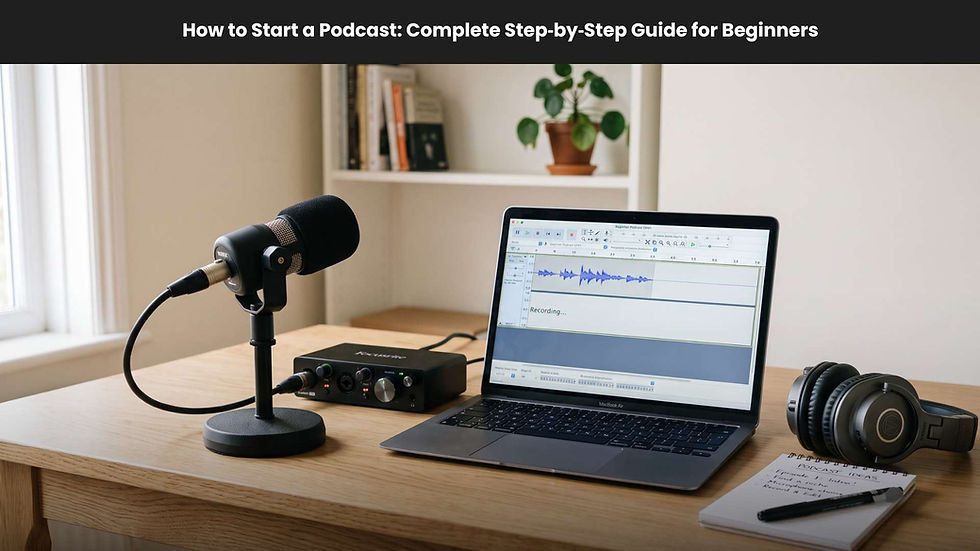
You can record a YouTube podcast using simple tools. Start with a quality microphone and a webcam or camera. Even if you plan to produce an audio-only podcast, YouTube still requires a video upload. You can use static artwork, looping visuals, or simple captions to keep it engaging.
To sound professional, record in a quiet environment and use basic audio editing software to smooth out any background noise. For video podcasts, lighting and framing make a huge difference. You don’t need an expensive studio setup, but you do need consistency in both sound and image.
4. Upload and Optimize Each Episode
When uploading your episodes, your metadata can make or break discoverability. Use your primary keyword, “youtube podcast,” in your title and include supporting terms like “how to start a podcast on YouTube” and “youtube channel growth.” Write detailed video descriptions summarizing what the audience will learn and linking to relevant resources.
Add a timestamped outline of topics covered in the episode for better viewer experience. Don’t forget to include tags and hashtags like #YouTubePodcast and #ContentCreation to enhance search performance. Thumbnails are equally critical. Create clear, branded visuals that attract clicks without appearing spammy.
5. Promote and Repurpose Content Across Platforms
After publishing your episode, don’t just rely on YouTube’s algorithm. Share your content across social media, newsletters, and blogs to increase exposure. Break longer episodes into shorter clips for YouTube Shorts and TikTok. Use these snippets to promote your full-length podcast.
You can also turn your episodes into blog posts, quote reels, or audiograms. This hybrid content creation approach broadens your reach and helps with multi-platform discoverability. Every piece of content should feed into your central ecosystem, driving traffic back to your main YouTube channel.

Growth Strategies for Your YouTube Podcast
Once your show is live, you’ll want to grow your audience strategically. Here’s how to expand your reach and improve engagement.
Boost Discoverability
YouTube’s 2026 algorithm update favors authentic, long-form engagement over short bursts of virality. That means podcasts, with their naturally extended format, fit perfectly into this model. Use detailed titles, full transcripts, and accurate captions to improve accessibility and indexing. Include your target keywords naturally throughout the description and spoken content.
Collaborate with other creators or guests who have overlapping audiences. This not only increases discoverability but strengthens credibility by association. According to Creator Studies 2026, partnerships can improve viewership by up to 45% over solo uploads.
Build Audience Trust Through Consistency
People subscribe to podcasts for reliability. Uploading episodes consistently helps build audience trust. Commit to a schedule you can realistically maintain, whether weekly or bi-weekly. Regular uploads encourage YouTube to keep promoting your channel through suggested videos.
Engage directly with your listeners in the comments section. Respond to feedback, acknowledge repeat viewers, and create polls asking what topics they want next. This interaction makes your channel a community rather than a broadcast-only platform.
Monetization and Revenue Growth
Monetization on YouTube Podcasts goes beyond traditional ads. You can generate income through Super Chat, channels memberships, brand sponsorships, and affiliate marketing. Pairing promotional content with host-read recommendations builds stronger credibility and increases conversions, similar to traditional podcast advertising. Research shows that global podcast advertising revenue exceeded $4 billion by 2025, highlighting the rapid growth of the industry and increasing investment from brands.
You can also repurpose your video content into exclusive paid episodes or bonus Q&A sessions for Patreon or YouTube Memberships. This approach turns passive viewers into paying community members.
YouTube vs Traditional Podcasting: Which Is Better for Creators?
Choosing between podcasting platforms depends on your goals. Traditional podcasts build deep loyalty, while YouTube podcasts accelerate growth through visual discovery. In 2026, merging both strategies is the most effective approach.
Podcasts offer flexibility, listeners consume episodes while driving or exercising, contributing to 64% monthly U.S. listenership. YouTube, on the other hand, offers unmatched discoverability and community engagement tools. A hybrid strategy allows creators to use long-form videos to boost search performance while distributing the same audio files through Spotify and Apple Podcasts for audience reach.
The Rise of Hybrid Podcasting
Creators who embrace both audio and video formats experience longer audience retention rates. Spotify and YouTube data indicate that hybrid podcast viewers engage 18% longer than traditional audio listeners. This format is more shareable, more interactive, and better aligned with the shifts in consumer behavior.
Expert Tips for Long-Term YouTube Podcast Success
To achieve lasting growth, focus on optimization and evolution. Here are actionable best practices to keep your YouTube podcast thriving through 2026 and beyond.
Optimize for YouTube SEO
Add relevant keywords in your titles, descriptions, and tags. For example, if your focus keyword is “youtube podcast,” you might include variations like “how to start a podcast on YouTube” or “content creation strategies.” Enable automatic captions for every episode since caption data helps Google index your content accurately.
Use visually appealing thumbnails with simple background colors and text that highlights episode themes. Hook viewers within the first 10 seconds of every episode by teasing what they’ll learn or gain from the conversation.
Leverage Analytics for Smarter Decisions
YouTube Analytics provides deep insights into viewer demographics, watch time, and retention graphs. Study what sections of your podcast retain the most attention and when viewers drop off. Integrate third-party tools like Podtrac or Chartable to measure listener data across other platforms. Use these insights to fine-tune your format, episode length, and guest lineup.
Expand into Multiple Languages
Global audiences are watching more localized content than ever before. Over one-third of YouTube’s total watch time now comes from non-English-speaking regions. Adding translated titles, subtitles, or dubbed versions can dramatically increase your audience diversity and international discoverability.
Frequently Asked Questions About YouTube Podcasts
Do I Need Video to Start a YouTube Podcast?
Not necessarily. You can upload audio-only podcasts using your logo or custom cover art as a visual placeholder. However, incorporating video can boost engagement and discovery potential.
How Often Should I Post New Episodes?
Consistency beats frequency. If you can only manage one episode every two weeks, that’s fine, just stick to it. Regular publishing builds viewer habits and signals reliability to YouTube’s algorithm.
Can I Monetize an Audio-Only Podcast on YouTube?
Yes. While video-based episodes typically generate higher ad rates, YouTube still monetizes audio uploads if they meet all advertiser policies. Sponsorships and affiliate mentions can also perform well in audio-only episodes.
Final Thoughts: Why 2026 Is the Best Year to Start Your YouTube Podcast
The rise of YouTube Podcasts has changed the creator landscape forever. In a single platform, you now have access to search visibility, monetization tools, and a built-in audience of billions. If you’ve ever thought about starting a podcast, there’s never been a better time.
By combining YouTube’s discoverability with podcasting’s deep audience connection, creators can build influence faster, inspire trust, and establish true authority in their niche. In 2026, the most successful content creators won’t choose between platforms, they’ll integrate both to build ecosystems that last.
Conclusion
Starting a YouTube podcast in 2026 means joining a rapidly growing movement of hybrid creators who understand the power of visibility and trust. By defining your content strategy, optimizing for SEO, staying consistent, and engaging authentically, you can position your brand as an authority in your industry. The tools and tactics shared here will help you launch, grow, and monetize your podcast for long-term success.