B2B Podcast Production Tips for Powerful Business Growth

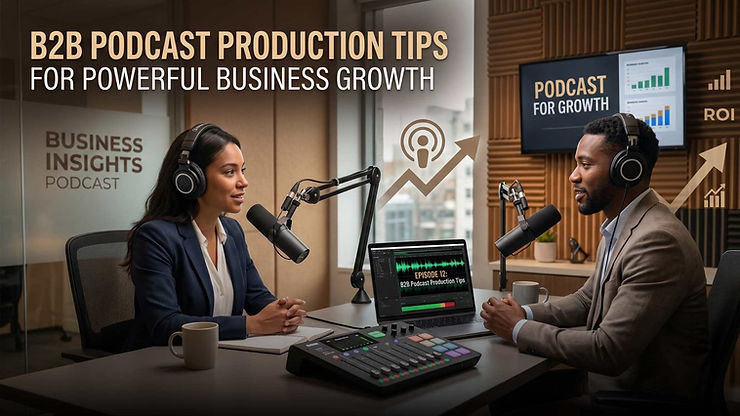
Podcasting has become one of the most effective tools for businesses to reach professional audiences, share industry insights, and position their brands as thought leaders. A well-produced B2B podcast can drive significant business growth by building trust, generating leads, and amplifying brand visibility. However, the key lies in mastering podcast production strategies that differentiate your show in a crowded content landscape.
This guide explores expert B2B podcast production tips focused on maximizing business growth. Whether you are launching your first business podcast or improving an existing one, these practical insights will help you design a show that attracts and retains ideal clients.
Why B2B Podcast Production Matters for Business Growth
The B2B podcast landscape is evolving rapidly. In an era of content saturation, B2B podcasts provide an authentic, high-engagement platform to reach executives, decision-makers, and industry peers. High-quality podcast production not only elevates your brand perception but also strengthens audience engagement and conversion.
A podcast with poor production quality, inconsistent scheduling, or no defined strategy rarely delivers results. By investing in B2B podcast production best practices, your business can create a sustainable growth channel that drives measurable ROI.
1. Define Clear Goals for Your B2B Podcast
Before recording your first episode, align your podcast goals with broader business objectives. Identify what success looks like—whether it is thought leadership, brand awareness, or lead generation. For example:
Thought leadership: track brand mentions and industry invitations.
Brand awareness: monitor unique listeners and new website sessions.
Lead generation: measure demo requests and conversions linked to podcast content.
Setting measurable KPIs gives your podcast purpose and direction. It also helps your production team plan content and evaluate performance effectively.
2. Identify and Refine Your Target Audience
Every successful B2B podcast serves a specific audience. Use data-driven research to define your listener profile. Tools like LinkedIn analytics, CRM insights, and audience surveys reveal who your listeners are, what challenges they face, and how they consume content.
Once your audience personas are defined, tailor each episode’s tone and content to their interests. For instance, a SaaS company might target marketing directors interested in automation trends, while a consulting firm could design episodes around leadership insights.

3. Craft a Strong Podcast Strategy and Format
Your podcast format shapes how listeners experience your brand. Decide whether your show will be interview-based, co-hosted, narrative-driven, or solo. Each format serves unique goals.
Interview style: ideal for showcasing industry experts and expanding your reach.
Co-hosted conversations: build chemistry and listener familiarity.
Solo commentary: perfect for showcasing executive thought leadership.
Select an episode length that matches your audience’s listening habits. Most business professionals prefer episodes between 20–40 minutes. Keep content concise yet valuable.
4. Invest in Quality Podcast Production Equipment
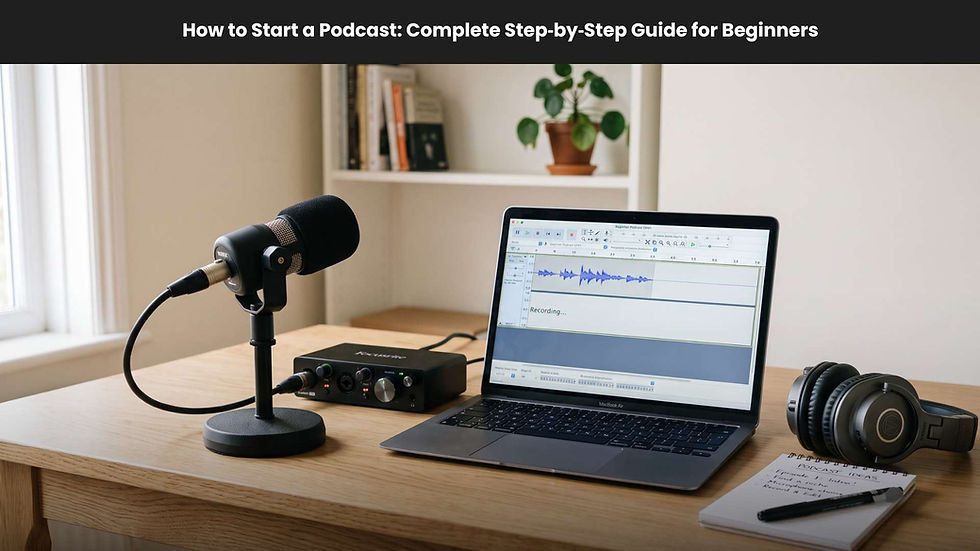
Audio quality is the backbone of a professional B2B podcast. Invest in reliable recording gear to ensure clarity and consistency.
Recommended essentials:
Microphone: Shure MV7, Rode NT-USB+, or Blue Yeti.
Headphones: closed-back options like Audio-Technica ATH-M50x.
Acoustic treatment: use foam panels or sound blankets to reduce echo.
Software: tools like Riverside.fm or Adobe Audition streamline recording and editing.
High-quality equipment ensures your brand sounds credible, while poor audio quality can harm your reputation and listener retention.
5. Build a Professional Production Workflow
Consistency and organization are vital for podcast success. Create a structured workflow to maintain quality across episodes. Your podcast production process should include:
1. Pre-production planning (topic research, guest outreach, script development)
2. Recording and quality control
3. Post-production editing and sound optimization
4. Publishing, promotion, and analytics tracking
A defined workflow minimizes errors and ensures every episode aligns with your content marketing goals.
6. Strengthen Your Podcast Branding and Visual Identity
Visual branding is often overlooked in B2B podcast production. Design consistent artwork, logos, and templates that reflect your company’s style and credibility. Your podcast’s cover art should include brand colors and recognizable design cues similar to your corporate identity. Thoughtful branding builds recognition across digital channels and boosts engagement.
7. Develop a Consistent Publishing Schedule
Consistency fosters trust. Set a publishing rhythm you can maintain long-term. Weekly or bi-weekly releases are ideal for audience retention, but the key is reliability. If weekly episodes are too demanding, consider seasonal releases to balance production volume with quality.
Maintaining a publishing calendar not only organizes your team but also helps listeners anticipate and engage with new content.
8. Focus on Engaging Storytelling and Authentic Conversations
Quality storytelling transforms complex business topics into relatable insights. Use storytelling to illustrate case studies, customer challenges, and success journeys. A mix of emotion, humor, and authenticity keeps listeners engaged.
A strong host plays a pivotal role in making content accessible and compelling. Choose a host who fits your brand tone, asks insightful questions, and keeps the conversation engaging without sounding scripted.
9. Leverage SEO for Better Podcast Discovery
Podcast SEO is a critical growth factor. Optimize your show notes, titles, and transcriptions for terms like “B2B podcast,” “podcast production,” and “podcast strategy.” Include these keywords naturally across your podcast webpage, metadata, and promotional posts.
Best practices include:
Writing an SEO-optimized description for every episode.
Using target keywords in episode titles and URLs.
Embedding a podcast player on your business website for organic visibility.
Adding transcripts for accessibility and improved indexation.
Increasing your podcast’s SEO presence will expand reach through search engines and podcast directories.
10. Promote Your Podcast Across Multiple Channels
Cross-platform promotion boosts audience growth. Repurpose audio clips as social media snippets, create audiograms, and publish behind-the-scenes content on LinkedIn or Instagram. Integrate your podcast into newsletters, webinars, and trade shows.
You can also collaborate with guests or industry influencers to amplify reach. Encourage guests to share episodes on their professional networks to increase visibility organically.
11. Foster Genuine Audience Engagement
Listeners aren’t just passive consumers—they are potential clients, advocates, and collaborators. Use active engagement strategies such as Q&A episodes, polls, and listener messages to strengthen relationships. Create a listener community through Slack groups or LinkedIn conversations.
Responding to feedback and highlighting listener comments in episodes humanizes your brand and encourages loyalty.
12. Track Podcast Performance and ROI
To determine whether your B2B podcast drives business growth, track important metrics beyond downloads. Monitor indicators such as:
Listener retention rate
Traffic generated to your website
Leads captured from podcast CTAs
Social media engagement and shares
Tools like Chartable, Podtrac, and Google Analytics can help map audience behavior and conversions. Regularly reviewing these metrics keeps your podcast aligned with business outcomes.
13. Collaborate with a B2B Podcast Agency
If your internal resources are limited, partnering with a professional B2B podcast agency can accelerate results. Agencies offer technical production, creative direction, and promotional strategy to ensure your podcast stands out.
Collaborating with experts allows your team to focus on content quality and thought leadership while professionals handle audio, editing, and analytics.
Common Questions About B2B Podcasts
What makes a B2B podcast successful?
A successful B2B podcast blends strategy, storytelling, and consistency. Its success is measured by engagement metrics, qualified leads, and brand perception rather than vanity downloads.
How do I start a B2B podcast that drives ROI?
Begin with clear objectives. Align topics with buyer interests, include trackable call-to-actions, and integrate your podcast into the overall content marketing strategy.
What equipment do I need for professional podcast production?
Start with quality microphones, closed-back headphones, and reliable recording software. Proper acoustic setup and editing tools ensure your B2B podcast maintains a professional sound.
Conclusion
Launching a successful B2B podcast requires more than just speaking into a microphone. It is a strategic marketing initiative that demands structure, consistency, and creativity. By applying these B2B podcast production tips, your brand can transform listeners into loyal advocates and potential clients.
Whether you manage the show in-house or partner with a B2B podcast agency, focus on providing real value, maintaining professional quality, and aligning every episode with your business growth objectives. Done right, your B2B podcast will become an enduring asset that strengthens both your brand authority and your bottom line.